










































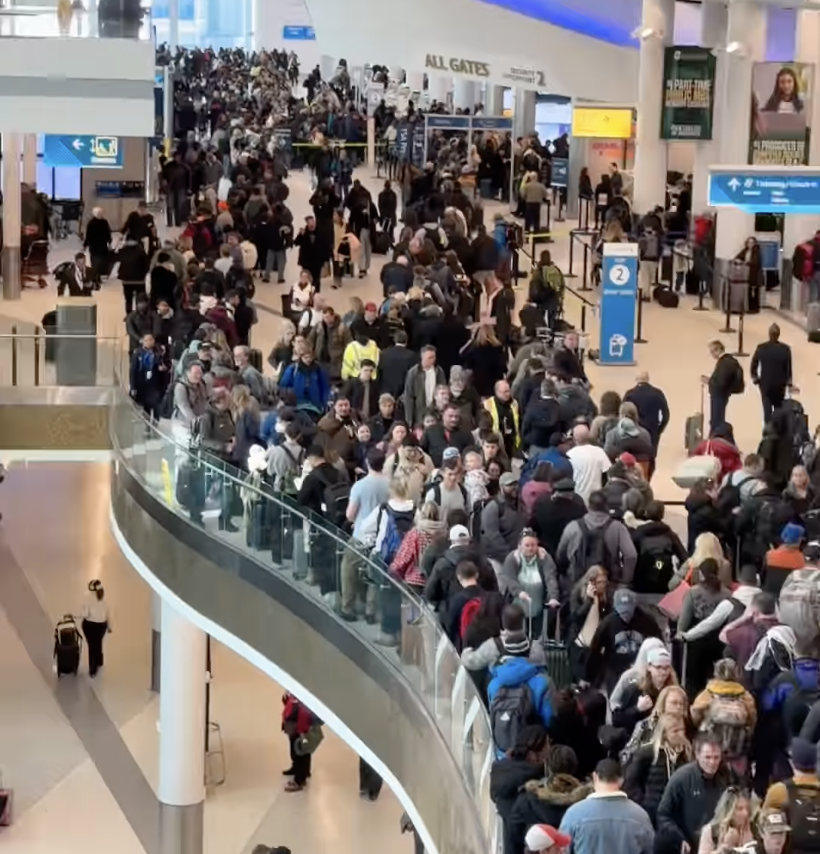
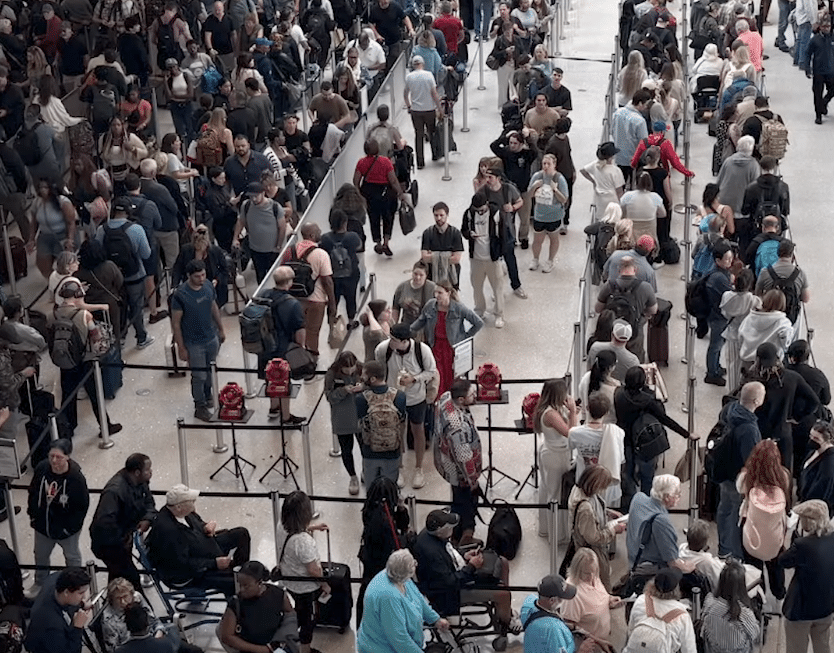
Airport security lines across the United States are becoming dramatically longer due to a combination of staffing shortages, federal funding disruptions affecting the Department of Homeland Security, and record travel demand heading into the spring travel season. Travelers at several major airports have reported waits of three hours or more just to get through security.
The situation stems largely from TSA staffing shortages during the federal funding dispute, which has led to increased absenteeism and operational slowdowns at checkpoints nationwide. At the same time, airlines expect more than 170 million passengers to travel this spring, creating one of the busiest travel periods in years.
If you are flying domestically or internationally in the coming weeks, the following strategies can help you reduce delays, manage expectations, and move through security more efficiently.

1. Arrive Earlier Than You Normally Would
The traditional advice of arriving two hours before departure may not be enough right now.
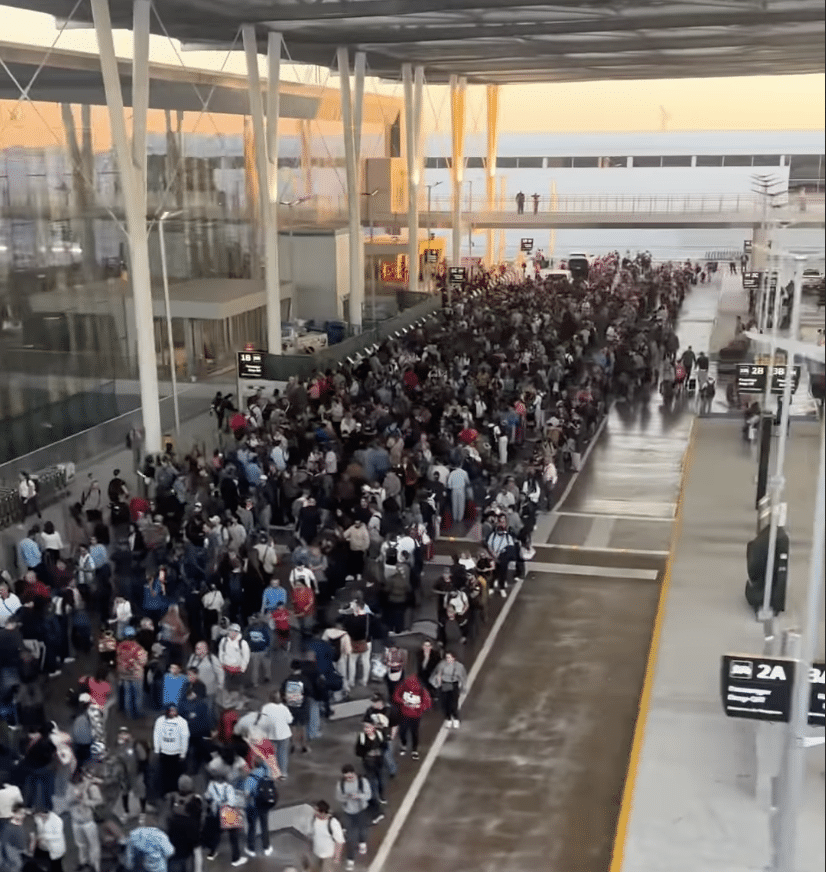
Airports across the country are advising passengers to arrive three to four hours early, especially during peak travel periods. In some locations, security lines have exceeded three hours.
Suggested arrival timing:
• Domestic flights, arrive about 3 hours early
• International flights, arrive about 4 hours early
• Peak travel days, add another 30 to 60 minutes
Arriving early provides flexibility if checkpoints temporarily close or lines suddenly grow due to staffing shortages.
2. Don’t Automatically Join the First TSA Line
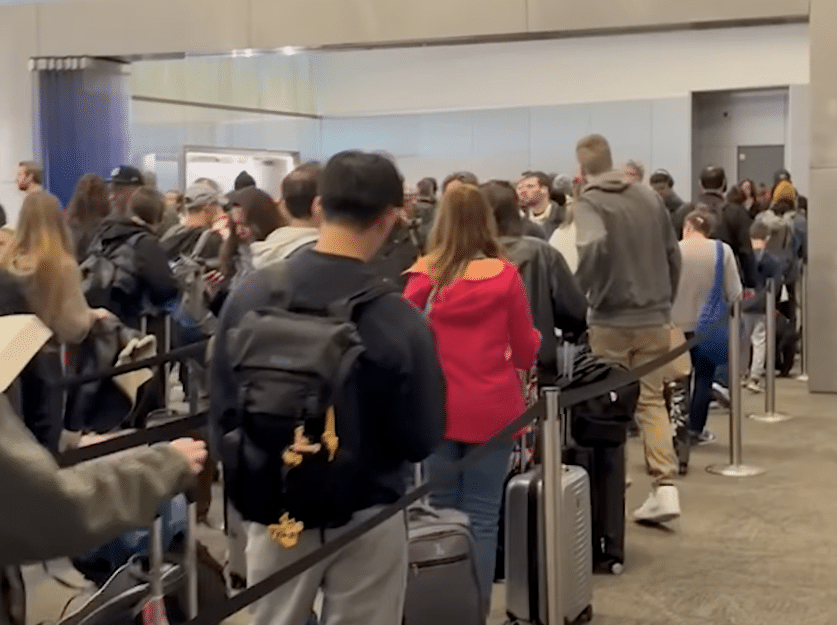
Many airports operate multiple security checkpoints across different terminals or floors.
Travelers often join the first line they see, but there may be shorter lines nearby.
Helpful tactics include:
• Check the airport map in your airline app
• Ask airport staff where the shortest checkpoint is
• Look for alternate checkpoints in nearby terminals
• Walk a few extra minutes if it saves significant time
Even TSA PreCheck or CLEAR lanes can sometimes be longer than standard screening during staffing shortages.
3. Use TSA Touchless ID If Your Airport Offers It
One of the fastest ways through security right now is TSA Touchless ID. Travelers can learn more and enroll through the official TSA page.
This system uses facial recognition technology to verify your identity so you can move through the checkpoint without presenting a physical ID or boarding pass.
How it works:
- Enroll through your airline loyalty account
- Upload passport information
- Opt into the program
- At the airport, a camera verifies your identity
These lanes are often faster because they remove manual document checks.
The program is currently available at many major airports and continues expanding nationwide.
Participating airlines include, but are not limited to:
- Alaska Airlines
- American Airlines
- Delta Air Lines
- Southwest Airlines
- United Airlines
4. Check Security Wait Times Before Leaving Home
Security lines can change dramatically throughout the day.
Before leaving for the airport, check estimated wait times using:
- Airline mobile apps
- Airport websites
- Crowd-sourced wait time apps
- Airport social media accounts
Checking conditions ahead of time may help you adjust your departure time or choose a different checkpoint once you arrive.
5. Prepare for Screening Before You Reach the Scanner
Small delays at the security scanner can add minutes when thousands of travelers are waiting in line.
Before reaching the checkpoint:
- Remove electronics from bags if required
- Place liquids in a clear quart-size bag
- Wear shoes that are easy to remove
- Keep your boarding pass accessible
- Remove metal items from pockets
Preparation helps keep the line moving and speeds up your own screening process.
6. Consider Trusted Traveler Programs
If you fly several times each year, expedited screening programs can significantly reduce wait times.
Popular options include:
- TSA PreCheck for faster domestic screening
- Global Entry for quicker re-entry into the United States
- CLEAR biometric verification lanes at participating airports
These programs provide access to shorter lines and fewer screening steps.
7. Be Patient With TSA and Airport Staff
Many TSA officers and airport employees are working under difficult conditions during the current federal funding dispute.
Staffing shortages have placed additional pressure on workers managing extremely large crowds of travelers. Remaining patient and cooperative helps keep lines moving and reduces tension at checkpoints.
8. Travel With the Right Mindset
Travel right now is simply more complicated than usual. Flights are full, staffing levels are strained, and security lines are longer than most travelers expect.
There is rarely a single person responsible for the delays travelers are experiencing. Showing up with patience, flexibility, and a good attitude can make a meaningful difference. Travelers who stay calm often receive more helpful guidance from airport staff and contribute to a more cooperative environment for everyone waiting in line.
A positive mindset will not shorten the security line, but it can improve your overall travel experience and the experience of the people around you.
Sources
- https://www.reuters.com/world/us/security-lines-some-us-airports-hit-three-hours-tsa-absences-rise-2026-03-08/
- https://www.reuters.com/world/us/us-airline-ceos-urge-congress-end-standoff-pay-airport-security-officers-2026-03-15/
- https://nypost.com/2026/03/10/us-news/travelers-advised-to-arrive-4-hours-early-amid-massive-airport-delays-from-ongoing-dhs-shutdown/
- https://www.tsa.gov/touchless-id
- https://www.nerdwallet.com/travel/learn/tsa-precheck-touchless-id-how-it-works