









































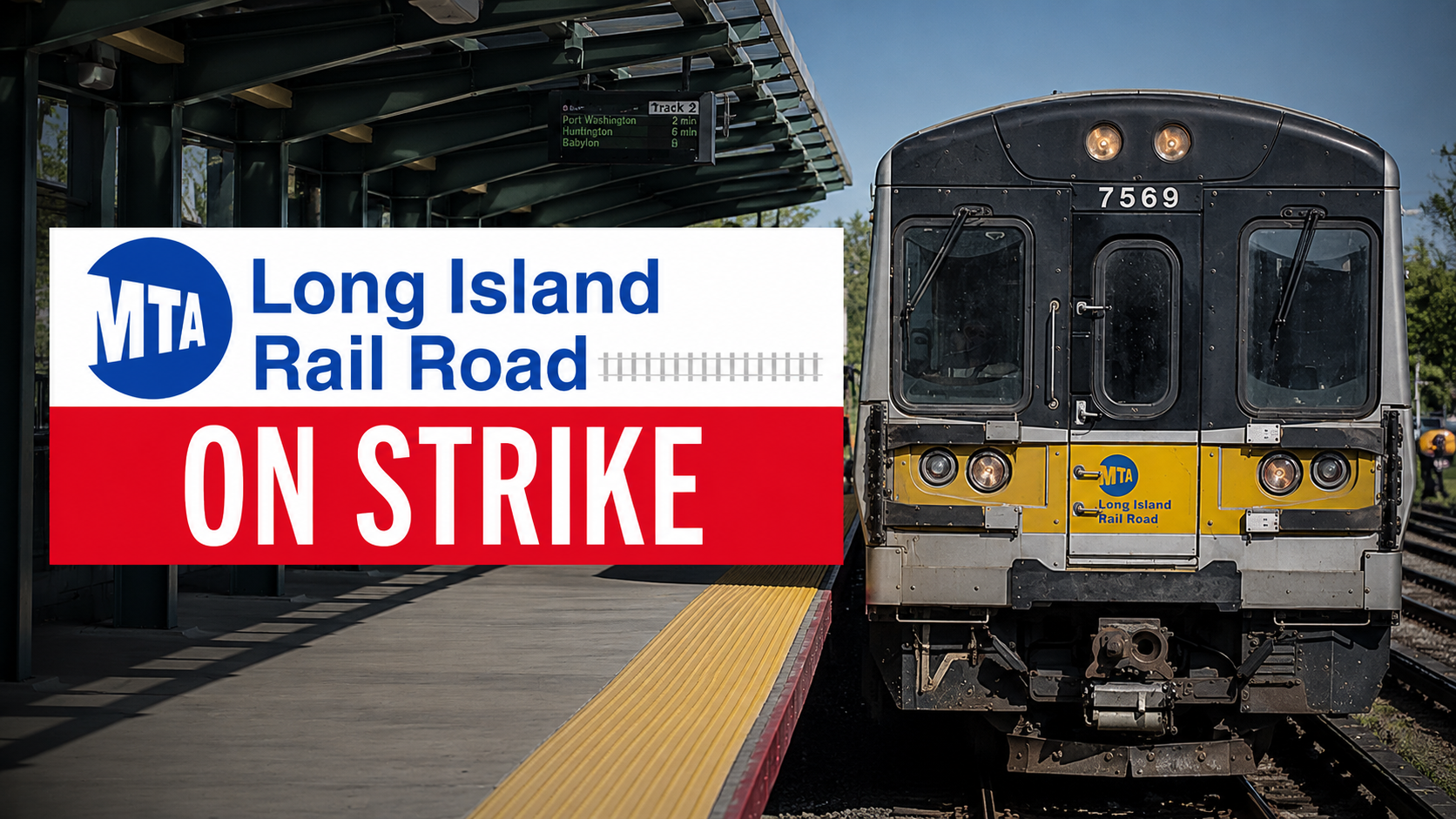
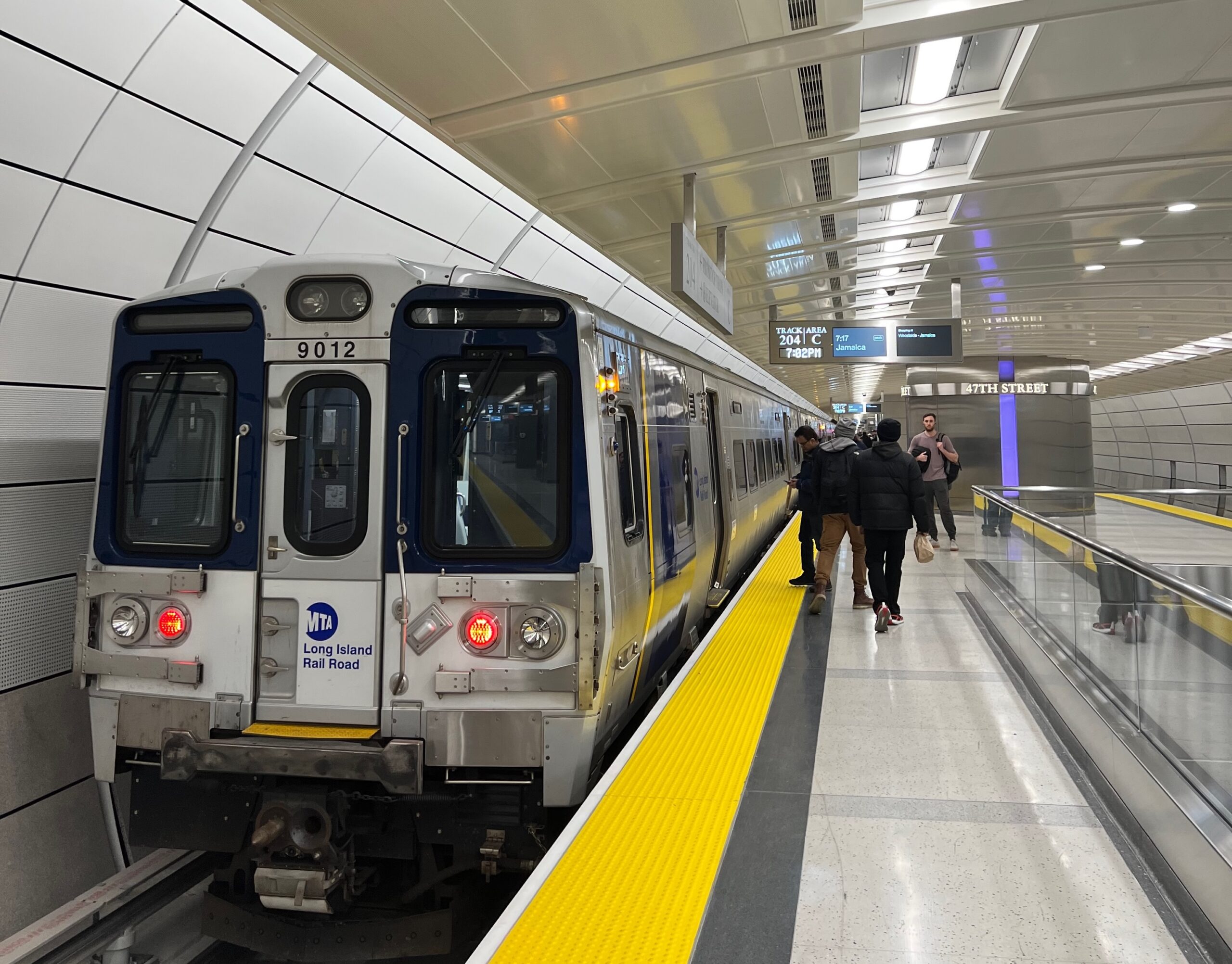
The Long Island Rail Road, North America’s busiest commuter rail system, is completely shut down after 3,500 unionized workers walked off the job just after midnight on Saturday, May 16. The strike, the first for the LIRR since a two-day walkout in 1994, has left nearly 300,000 daily riders stranded with limited alternatives to get into New York City.
What Happened
Five unions representing about half the LIRR’s workforce, including locomotive engineers, signalmen, and trainmen, launched the strike after months of contract negotiations with the Metropolitan Transportation Authority broke down. The two sides had agreed on terms for the first three years of a new contract, but talks collapsed over fourth-year wages and a last-minute MTA push for healthcare premium contributions that unions say were never discussed during bargaining.
The unions had been seeking a 5% raise in the final year. The MTA offered 3%, with options to reach 4.5% if workers accepted certain concessions. LIRR workers have not received a raise since 2022. Two federal mediation panels sided with the union’s position during the process, according to union leadership.
As of Saturday evening, the unions declared this an open-ended strike, and no new negotiations have been scheduled.
How This Affects You
If you live on Long Island and commute into Manhattan, Brooklyn, or Queens for work, this changes everything starting Monday. The MTA is urging anyone who can work from home to do so. Only about 40% of workers have that option, which means the Long Island Expressway and surrounding highways are about to become even more gridlocked than usual.
Fans heading to the Subway Series at Citi Field this weekend already felt the impact. What would normally be a quick LIRR ride from Long Island turned into bumper-to-bumper traffic on the LIE, with some fans reporting 90-minute drives for a trip that takes 15 minutes by train.
Travel Alternatives During the Strike
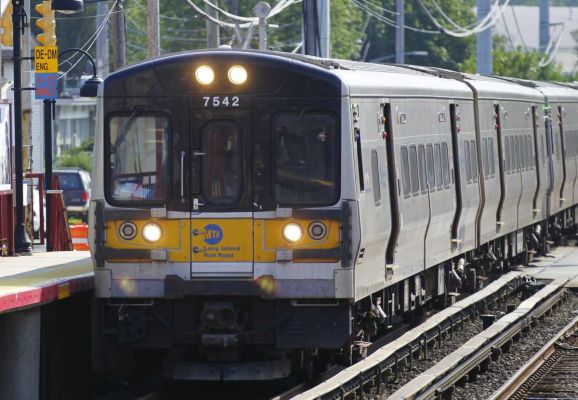
The MTA has set up limited shuttle bus service, but with only 275 buses available, there is nowhere near enough capacity for the quarter-million daily riders. Shuttles run only during peak hours: toward Manhattan from 4:30 to 9 a.m., and back to Long Island from 3 to 7 p.m.
Shuttle bus pickup locations connect to Queens subway stations:
Bay Shore, Hempstead Lake State Park, Hicksville, and Mineola stations connect to the Howard Beach-JFK Airport A train station. Huntington and Ronkonkoma stations connect to Jamaica Center-Parsons/Archer for E, J, and Z train service. Nassau County commuters can also use NICE bus service to reach Flushing-Main Street for the 7 train.
For those heading to Citi Field for the Mets, dedicated shuttle services are running from Roosevelt Field, Walt Whitman Shops, and Manhasset LIRR Station, among other locations. Shuttle tickets are $8.99 round-trip or $25 for a family of four. The 7 train to Mets-Willets Point remains the most reliable subway option from Manhattan.
Travelers Heading to JFK and LaGuardia: Plan Ahead
If you have a flight out of JFK or LaGuardia in the coming days, do not assume your normal travel time will get you there. With hundreds of thousands of former LIRR riders now driving, the roads feeding both airports are going to be significantly more congested than usual. The Van Wyck Expressway, Grand Central Parkway, Belt Parkway, and Cross Island Expressway all stand to see heavier-than-normal volume, especially during morning and evening rush hours.
The LIRR’s Jamaica Station hub, which normally serves as a transfer point to JFK via the AirTrain, is shut down. Travelers can still reach the AirTrain by taking the E, J, or Z subway lines to Sutphin Boulevard-Archer Avenue, but expect those trains to be more crowded than usual with displaced LIRR commuters. For LaGuardia, the Q70 bus from Jackson Heights remains an option, but again, anticipate heavier ridership. Build in extra time, consider leaving much earlier than you normally would, and keep an eye on real-time traffic apps before heading out.
Nassau County Kosher Communities: Work From Home, Eat Local
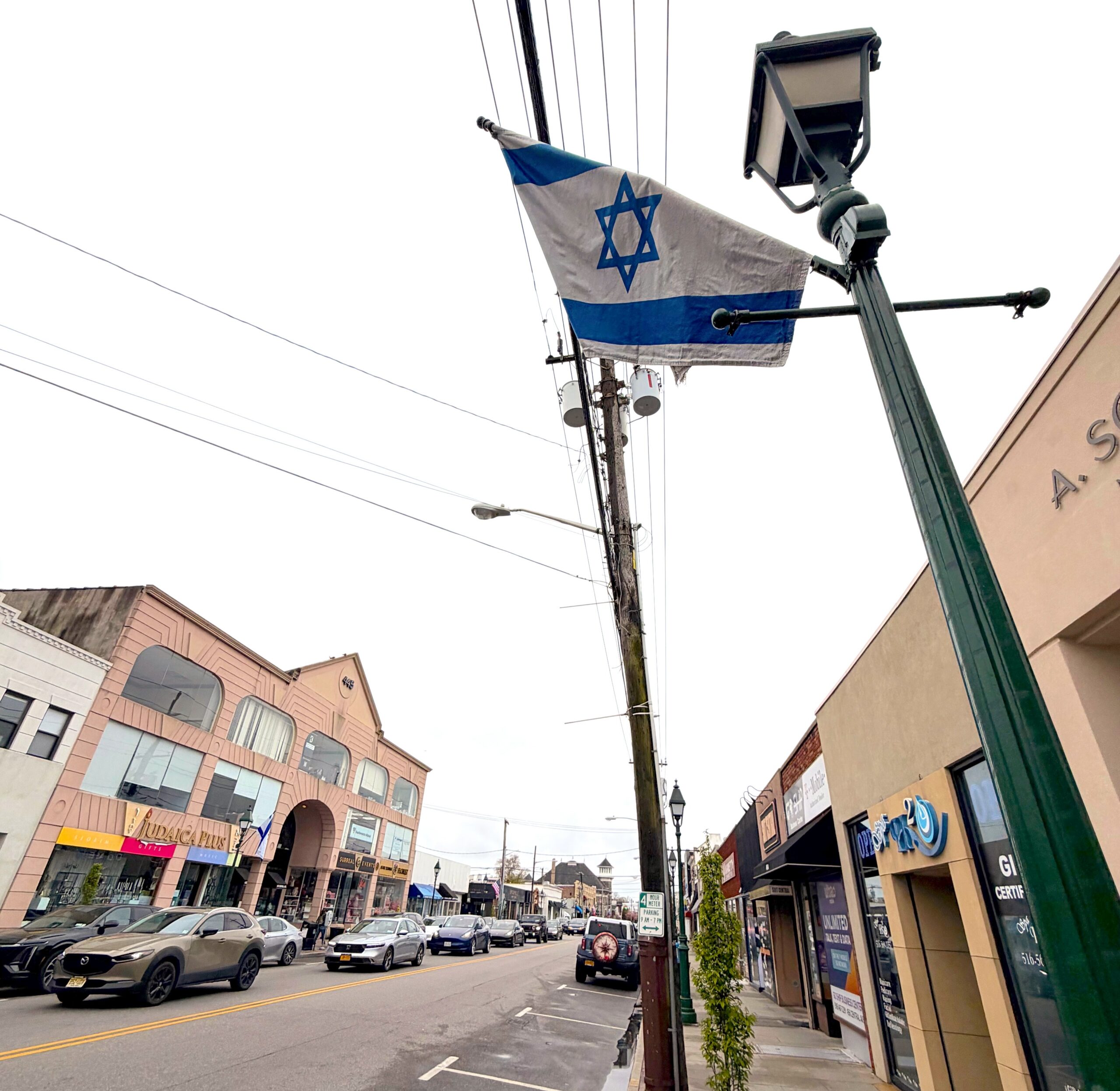
For the tens of thousands of frum commuters across Nassau County who normally ride the LIRR into Manhattan every day, this strike is a forced reset. The Five Towns, Oceanside, West Hempstead, Great Neck, and other communities with large Orthodox populations are home to some of the heaviest LIRR ridership on the system. If your office is offering work-from-home flexibility during the strike, take it.
And here’s the silver lining: use the time you’d normally spend on a train platform to support the kosher restaurants and businesses in your own neighborhood. Grab lunch at a local spot you haven’t tried in a while. Pick up coffee from your neighborhood cafe instead of your usual Midtown stop. Order from a local takeout spot for dinner instead of grabbing something on the way home from Penn Station. These businesses thrive on community support, and a week of extra local foot traffic can make a real difference for the small kosher restaurants and shops that keep our neighborhoods running.
The strike is disruptive, no question. But for kosher communities on Long Island, it’s also a chance to reinvest locally, even if just for a few days.
Monthly Ticket Refunds
The MTA has said it intends to issue prorated refunds to May monthly ticket holders for any business day that service is suspended due to the strike, pending board approval. Details on how to apply for a refund have not yet been released.
What to Expect Next
Monday is the real test. If the strike continues into the workweek, expect severe congestion across all Long Island roadways and overcrowded subway service in Queens. Borough President Donovan Richards has warned of potential chaos at Queens transit hubs. The MTA says there is simply no substitute for the LIRR, and its shutdown will cause delays across the entire regional transportation network.
Governor Hochul has urged both sides to return to the table and negotiate around the clock. For now, the picket lines are up at Penn Station, Jamaica, and Ronkonkoma, and LIRR platforms sit empty for the first time in over three decades.
We will continue updating this story as the situation develops. Check the MTA’s official strike page for the latest on shuttle service and travel alternatives.