







































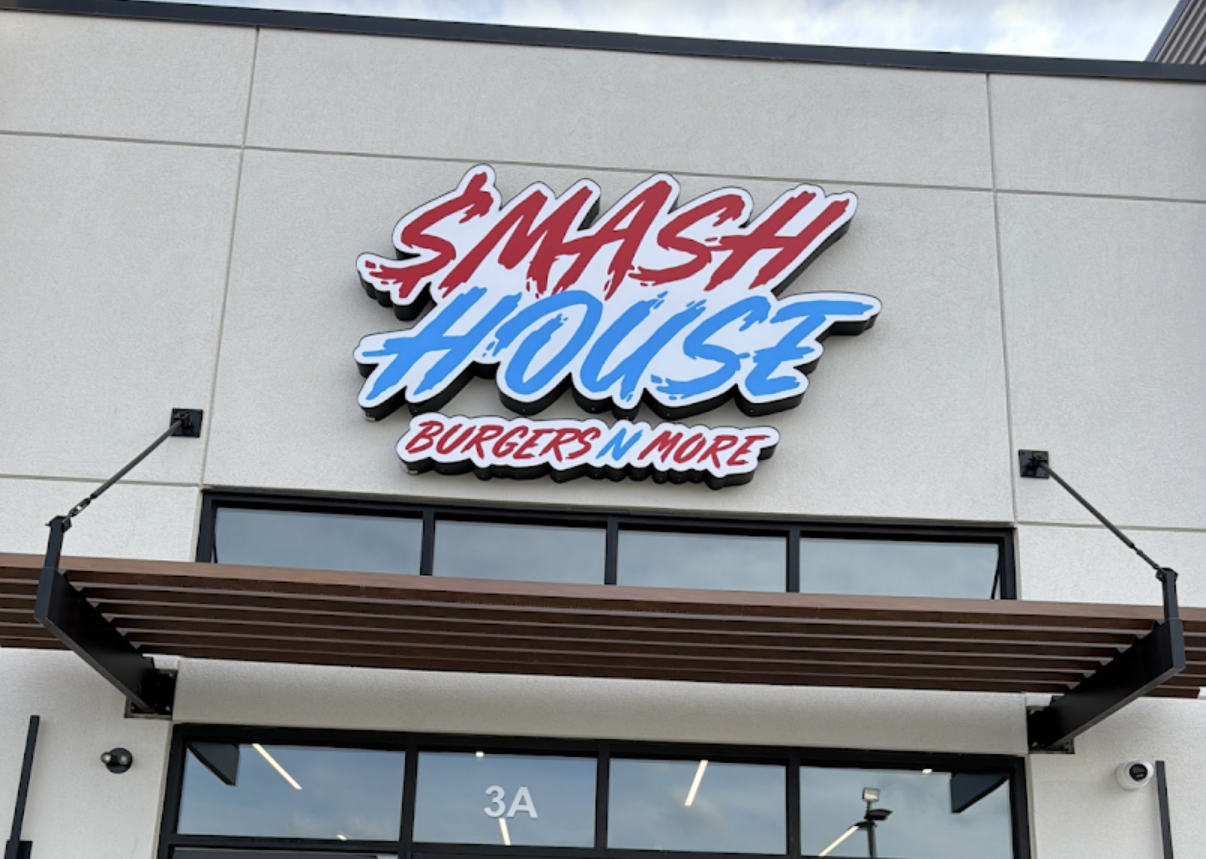
By now you’ve probably seen the letter. Two rabbis from the Lakewood/Toms River area signed and distributed a letter to their kehillos strongly recommending that community members not patronize Smash House Burgers. Their stated reason: teens from the community are apparently hanging out there at certain hours, and their behavior doesn’t reflect the values the rabbis want at their doorstep.
This is the second chapter in a controversy that started just weeks ago. If you missed the first one, read our original piece on the Smash House confusion incident here. That story was about a babysitter accidentally ordering from non-kosher Smashburger instead of kosher Smash House Burgers on Uber Eats. This story is something else entirely. And in some ways, it’s more troubling.
What the Letter Actually Says
Let’s be precise about what the rabbis are and aren’t saying. They’re not alleging any kashrut problem with Smash House. They’re not claiming the food isn’t kosher or that the owners have done anything wrong. In fact, they explicitly acknowledge that Smash House is making efforts. Their issue is with the environment: specifically, that the restaurant has seating available past family mealtimes and that there’s loitering in and out of the store by teens.
The letter states, and I’m paraphrasing, that someone who cares about their family’s yiras shamayim should not want to patronize a place that, at certain times, has an environment that degrades accepted communal boundaries. And then the kicker: by going there at any time, you’re enabling it.
Read that again. At any time. Not just the problematic hours. The rabbis are calling for a full boycott of a kosher business because of how other customers behave at certain times of day.
Rabbi Shais Taub Said It Better Than I Can
Rabbi Shais Taub, the well-known Lubavitcher author and Ami Magazine columnist, weighed in on this on X (Twitter), and his point is one that I think gets at the heart of what’s wrong with the rabbinical letter’s framing.
He’s right. Kosher restaurants are not just restaurants. In the frum world, they function as third spaces, the social infrastructure that sits between home and shul. They are where young people meet, decompress, connect, and yes, sometimes act out. That’s not a failure of the restaurant. That’s what happens when human beings gather in a space that welcomes them.
The question the rabbis should be asking is not: how do we get these teens out of the kosher burger joint? The question they should be asking is: why are teens seeking a third space in the first place, and are we providing them with enough good ones?
What Smash House Actually Did
I reached out to Benji Haimoff, owner of the Smash House brand, and asked him directly: what specific changes has the Toms River location made in response to community concerns? His answer should be required reading before anyone signs on to this boycott.
Here is what Smash House has done, in his own words:
- Moved Thursday closing time from 2am to midnight
- Hired security to address loitering
- Redesigned the menu so no section header mentions cheese, out of sensitivity to the community even though it’s a meat restaurant
- Swapped out bacon for beef facon
- Stopped opening Saturday nights entirely, a significant financial sacrifice given that motzei Shabbat is one of the biggest revenue windows for any restaurant in a frum neighborhood
Read that list again. This is not a business that ignored the community. This is a business that voluntarily gave up its most profitable time slot of the week, reworked its menu, hired staff specifically to police behavior, and adjusted its hours. All of this before a boycott letter was even circulated.
And the community’s rabbinic response was still a boycott letter.
The rabbis’ own letter acknowledges that efforts are being made. Their standard for lifting the boycott is controlling loitering and limiting late-night seating. Smash House has done both. So what exactly is the remaining ask?
Who Actually Owns This Problem?
I have enormous respect for the rabbinate. The rabbis who signed this letter clearly care about their community, and I don’t doubt their sincerity for a second. But I do think this letter reflects a misdiagnosis.
If there are teens in Toms River hanging out at a kosher burger restaurant in ways that are inappropriate, the solution is not to eliminate the kosher burger restaurant as a gathering option. The solution is to address what’s driving the behavior. That means programming. That means youth infrastructure. That means creating spaces where young people can be teens within a frum framework and still feel like they have somewhere to go.
And if those resources don’t exist yet in the Lakewood/Toms River area, build them. That is a communal responsibility. It does not belong on the shoulders of a restaurant owner.
Ask yourself this: if Smash House closes, or if the community boycott succeeds in chasing away enough business to hurt the operation, where do those teens go? They don’t disappear. They find somewhere else. And that somewhere else is a lot less likely to have a mashgiach temidi.
The Bigger Picture for Kosher Businesses
This is also a story about something I care about deeply: the viability of kosher restaurants as a business category. Opening a kosher restaurant is hard. The margins are brutal, the certification costs are real, the customer base is geographically concentrated, and the community expectations are high. Operators who take the plunge to open kosher establishments in growing Orthodox communities deserve the support of those communities, especially when they’re doing everything right on the kosher compliance side.
Smash House Burgers in Toms River is a certified, operating, community-serving kosher restaurant. The owners did not create the teen loitering problem. They responded to it. Calling for a boycott of their business is asking a Jewish business owner to absorb the cost of a communal social problem that is not of his making.
That’s not a fair ask. And in a community that needs quality kosher options to thrive, it’s not a smart one either.
A Note to the Rabbis
The letter closes by inviting community members to bring it to the rabbis’ attention if there has been significant improvement. With respect: the improvement has already happened. Smash House closed Saturday nights. They cut Thursday hours by two hours. They put security on the door. They made menu changes that reflect communal sensitivities that go beyond their halachic obligations. What they have done is, by any reasonable measure, significant improvement.
If that list does not meet the standard, the community owes Benji Haimoff a clear and honest answer about what would. Because right now, he gave up Saturday night revenue. Real money, gone. And he is still looking at a boycott letter on the kehilla WhatsApp.
There are also larger questions worth asking. Has the community invested in alternative spaces for these teens? Has anyone asked the teens directly what they need? Is there a youth programming gap in the Lakewood/Toms River area that a burger restaurant is inadvertently filling, and if so, whose responsibility is that to address?
A kosher restaurant full of frum teens, even rowdy ones, is still a kosher restaurant full of frum teens. There are worse places they could be. A lot worse.
Support Smash House Burgers in Toms River. They’ve earned it.