












































For roughly a week, Israel’s airspace was largely closed after Israel and the United States launched strikes on Iranian targets, prompting retaliatory missile attacks and major regional disruption. The closure of Israeli airspace stranded tens of thousands of travelers inside Israel and abroad, with commercial flights unable to depart the country during that period.
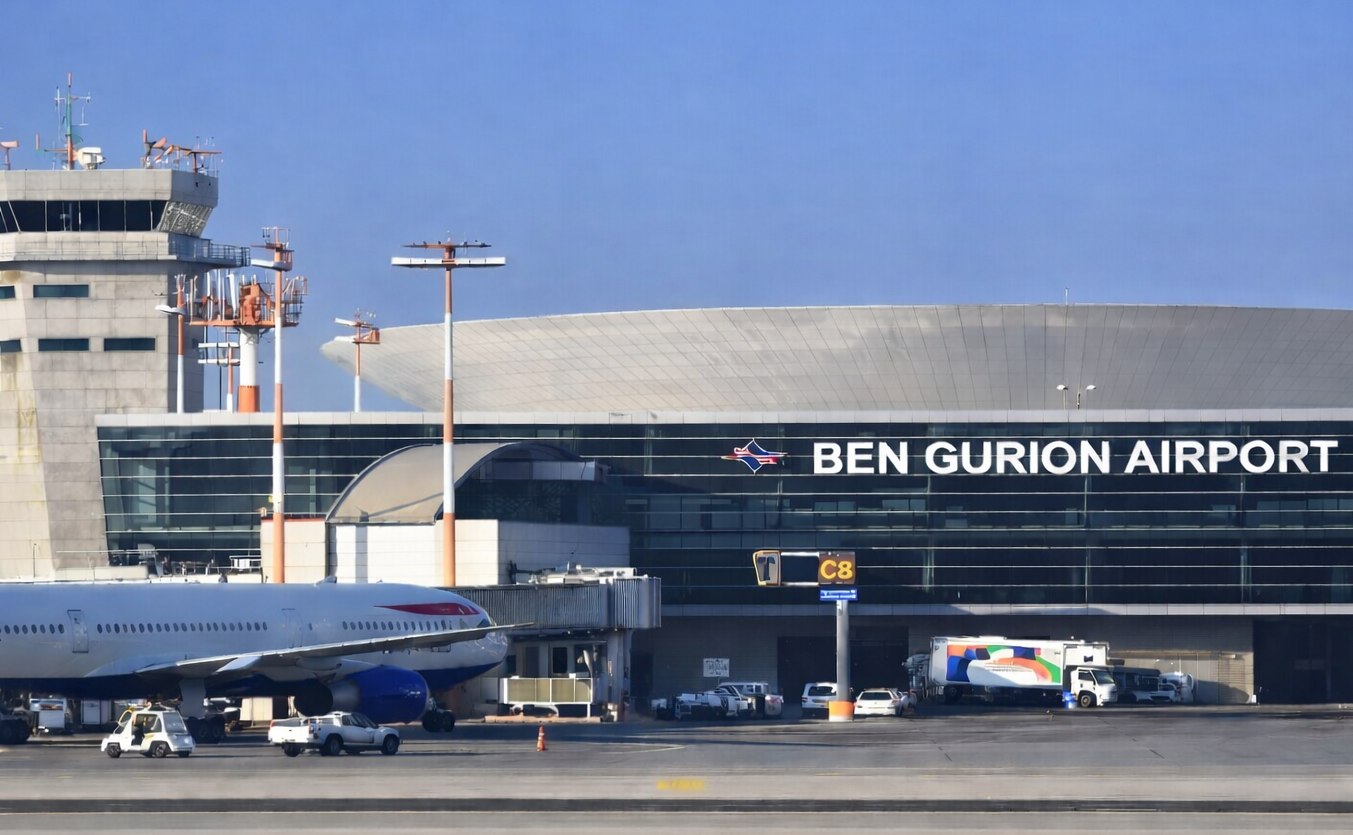
Israel has now begun gradually reopening Ben Gurion Airport (TLV) for outbound flights. The reopening is extremely limited and tightly controlled, with only a small number of flights permitted to depart each hour while security authorities monitor the situation.
Strict Limits on Outbound Flights
Under the current framework for reopening the airport, outbound flights are being restricted to a very small number of passengers per aircraft. Early departures have been limited to roughly 50 passengers per flight with only a few departures permitted each hour.
Authorities are slowly increasing capacity as conditions allow. In some cases, the passenger limit on certain flights has been raised to around 70 passengers per aircraft, though the exact limits can change depending on security conditions and operational constraints.
The reopening follows several days when no commercial flights were able to leave Israel at all, creating a significant backlog of travelers trying to exit the country.

Israeli Airlines Operating the First Outbound Flights
The first outbound flights from Israel are being operated primarily by Israeli carriers, which are coordinating closely with Israeli aviation authorities and the government.
Airlines currently operating or preparing outbound flights include:
- El Al
- Arkia
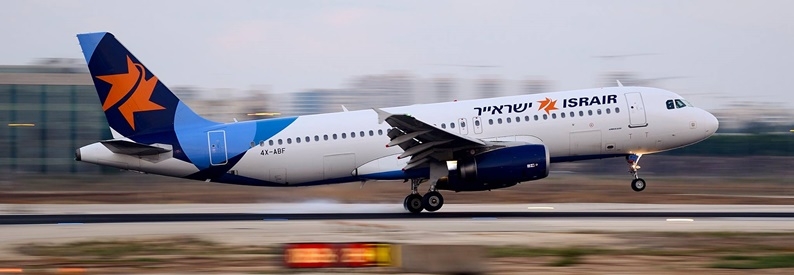
- Israir
- Air Haifa
These airlines are prioritizing passengers whose flights were canceled during the shutdown, along with humanitarian cases and foreign nationals trying to leave the country.
Many airlines have temporarily paused new ticket sales so they can focus on rebooking passengers whose travel plans were disrupted during the airspace closure.
Routes Currently Operating From Tel Aviv
Most outbound flights from Israel are currently being scheduled to nearby regional hubs where travelers can connect to longer international flights.
Routes that Israeli airlines are beginning to operate include flights from Tel Aviv to:
- Athens
- Rome
- Berlin
- Larnaca (Cyprus)
- Sofia
- Batumi (Georgia)
- Budapest
- Prague
- Tbilisi
These cities are serving as connection points for travelers continuing onward to destinations such as North America and other parts of Europe.
Rescue Flights and Repatriation Efforts
Before outbound flights resumed, the first flights allowed into Israel were rescue and repatriation flights bringing stranded Israelis back home.
The first two rescue flights to land at Ben Gurion during the reopening phase included an El Al flight from Athens and an Israir flight from Rome.
Israeli airlines are coordinating rescue flights from more than twenty cities worldwide, including New York and several major European hubs, in order to bring tens of thousands of Israelis back to the country.
International Airlines Still Mostly Suspended
Most foreign airlines have not yet resumed regular service to Tel Aviv, and dozens of carriers have suspended operations while monitoring the security situation.
Major airlines that have paused or significantly reduced service include:
- United Airlines
- Delta Air Lines
- American Airlines
- Lufthansa Group airlines
- Air France
- British Airways
- Emirates
- Etihad
- Turkish Airlines
- Ryanair
- Wizz Air
Many of these airlines have not announced firm dates for resuming flights, and schedules may continue to change depending on developments in the region.
Land Crossings Continue to Be a Major Exit Option
Because outbound flights remain extremely limited, many travelers have chosen to leave Israel by crossing land borders and then flying from nearby countries.
The two most commonly used routes include:
Egypt via the Taba Crossing
Travelers can cross into Egypt near Eilat and then travel to airports in:
- Sharm el-Sheikh
- Cairo
Jordan via the Arava or Allenby Crossings
Another option is crossing into Jordan and flying from:
- Aqaba
- Amman
Since the start of the airspace shutdown, more than 25,000 people have exited Israel through land border crossings into Egypt and Jordan.
Travel Conditions Remain Highly Uncertain
Although flights are now beginning to depart Israel again, the aviation system is operating at only a fraction of normal capacity.
Travelers currently trying to leave Israel have several possible options:
- Limited outbound flights from Tel Aviv on Israeli airlines
- Short flights to nearby hubs such as Athens, Rome, and Larnaca
- Land crossings into Egypt or Jordan followed by international flights
- Government organized evacuation flights
Flight schedules and airline decisions remain fluid as the conflict continues and security authorities evaluate conditions in Israeli airspace.
Sources
Dan’s Deals
Globes
Reuters
Times of Israel
Ynet News
Jerusalem Post
The Wall Street Journal