



































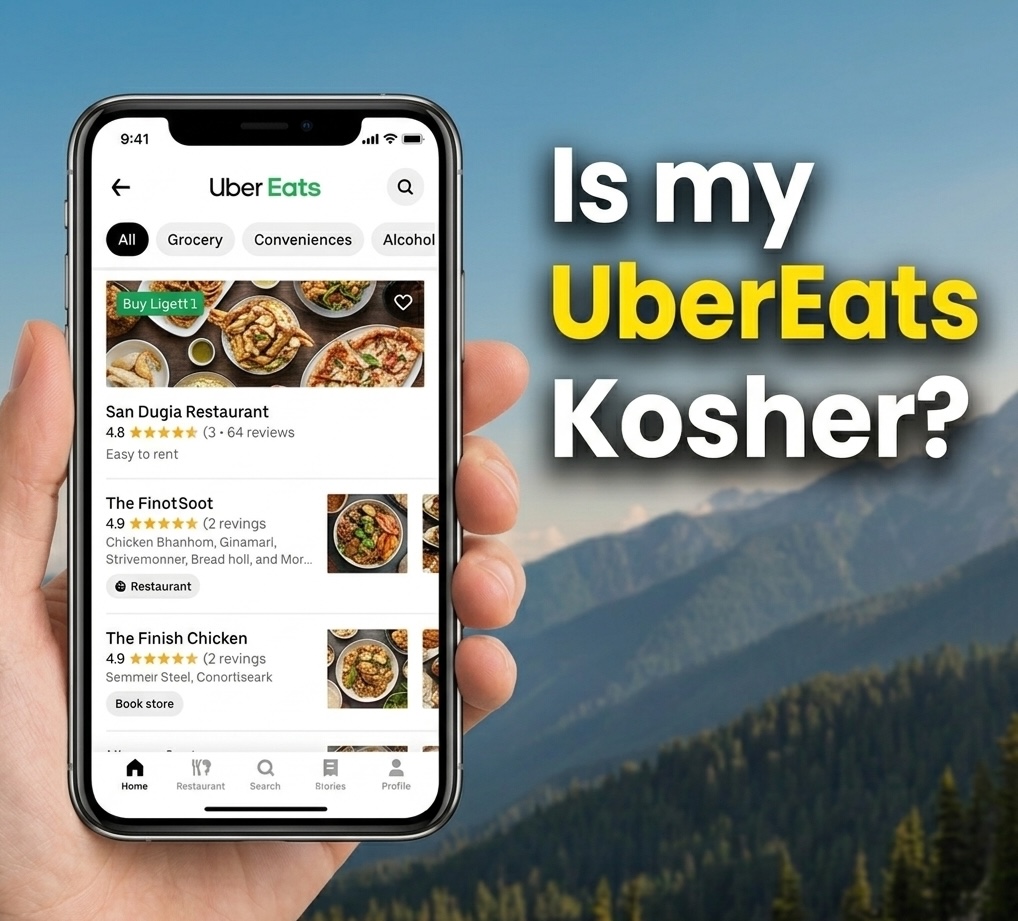
Ordering kosher dinner on Uber Eats, DoorDash, Grubhub or another third-party app takes more than searching for a familiar name. There are two separate checks: make sure the order is going to the right certified restaurant, then make sure the food arrives with the right seals. A new cRc Kashrus Education video (see full video below) walks consumers through both sides of the handoff.

cRc Tips: Before You Tap Order
- Find the restaurant outside the delivery app first. Check a current listing from its supervising kosher agency or contact the agency or restaurant directly. An app’s “kosher” label, search result, logo or old certificate image does not confirm current supervision. Our earlier warning about Google and AI kosher answers applies here too: use a current primary source for certification.
- Match the exact storefront. Compare the restaurant’s full name, street address and location in the app with the certified business you checked. Similar names are not interchangeable. The Smash House/Smashburger mix-up a few months ago showed how a wrong tap can become a serious kashrus mistake.
- Check the cart before paying. Confirm the restaurant name and address again, review the items, and make sure any kosher-specific requirements are understood by the restaurant. Ask the restaurant or its mashgiach how it seals third-party orders; a note to the driver is not a substitute for the kitchen’s packaging procedure.
At the Door, Inspect Before Eating
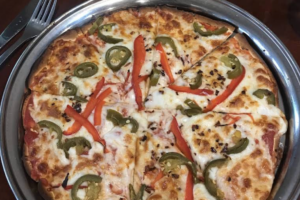
Check that the restaurant name on the order or receipt matches what you selected. Then inspect the closure on every food container, not only the outer carrier bag. A folded bag, a loose sticker or a logo on a box may be easy to open and close again. A useful seal should make opening or replacement apparent: for example, tape spanning a pizza box opening so it cannot be opened without tearing the tape or damaging the box. Stapled receipts, tamper-evident tape and other closures have to be assessed in the way they are actually applied, not just counted by sight.
The cRc video (below) distinguishes foods for which one siman (identifying seal) is generally needed, such as pizza and dairy or baked goods, from meat, poultry and fish, for which it says two are generally needed. It also discusses a distinctive tamper-evident closure, a siman muvhak, that may count differently. Do not assume two ordinary stickers make an inadequate package acceptable. Ask the supervising agency or mashgiach about the particular packaging if you are unsure.
If a Seal Is Missing or Broken
Set the food aside and do not taste it while sorting it out.
Photograph the container, closure, receipt and app order, then call the restaurant and its mashgiach or certifying agency. Tell them exactly which containers were unsealed and whether the package looked opened. The cRc describes cases where a mashgiach may identify the actual food sent out from a photo or live view, but that is a determination for the responsible kashrus authority, not a reason to approve an unsealed order yourself. If it cannot be cleared, request a sealed replacement or report the problem through the delivery app. Keep the order details so the restaurant can address its packing process.