







































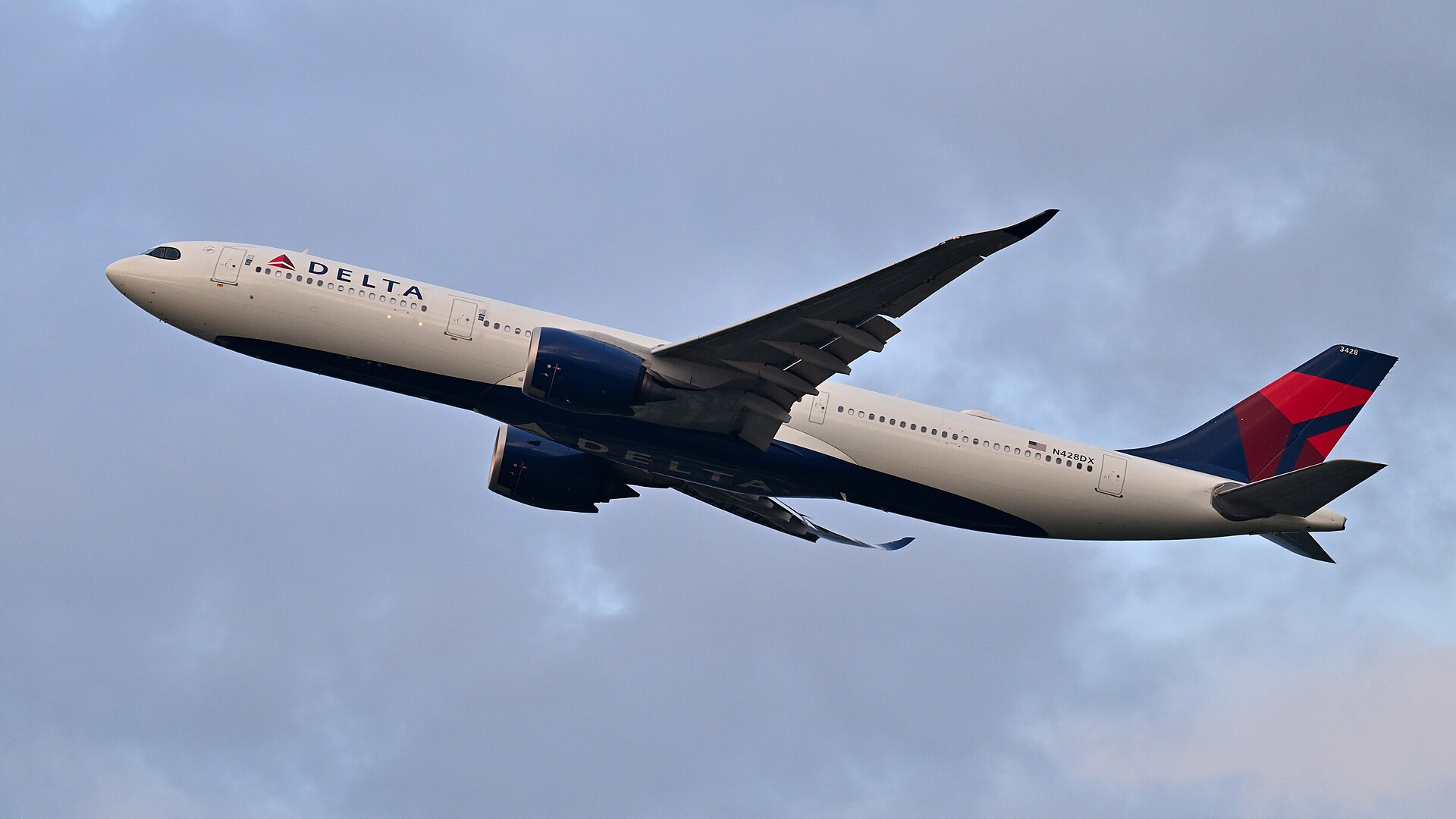
Bomb threats have disrupted at least four separate flights to and from Israel and one Israel-bound cruise sailing between October 13 and November 6, 2026. Three of the flights were headed to Israel; the fourth was leaving Tel Aviv. The incidents forced security searches, a delayed departure and a diversion, while cruise passengers had to leave their ship before it could continue toward Haifa.
A false bomb threat still does real damage. Passengers face fear and interrupted journeys. Airlines and cruise operators must divert staff and equipment, and businesses face added costs and the risk of lost revenue. A malicious hoax exploits the safety procedures designed to protect travelers, using the threat of violence to interfere with ordinary life.
The Five Reported Cases
1. October 13: Delta Passengers Evacuated After Landing in Israel
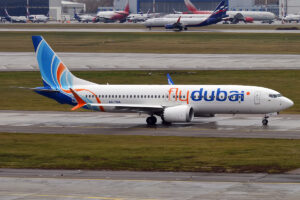
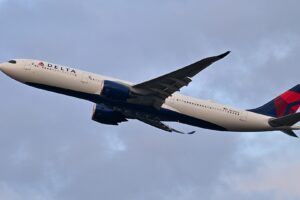
Delta Flight DL234 arrived from New York at Ben Gurion Airport (TLV) after departing the previous day. An anonymous bomb report led authorities to isolate the aircraft and evacuate passengers. Delta said no credible threat was found. This was an interruption to the arrival process, rather than a cancelled flight.
2. October 13: Another Delta Departure Held in New York
A separate DL234 service preparing to leave John F. Kennedy International Airport (JFK) for Tel Aviv was held after another bomb threat. It required security inspections and clearance before departure. The matching flight number refers to two different journeys. Authorities suspected the same caller might have made both threats.
3. October 18: Austrian Flight Diverted to Sofia
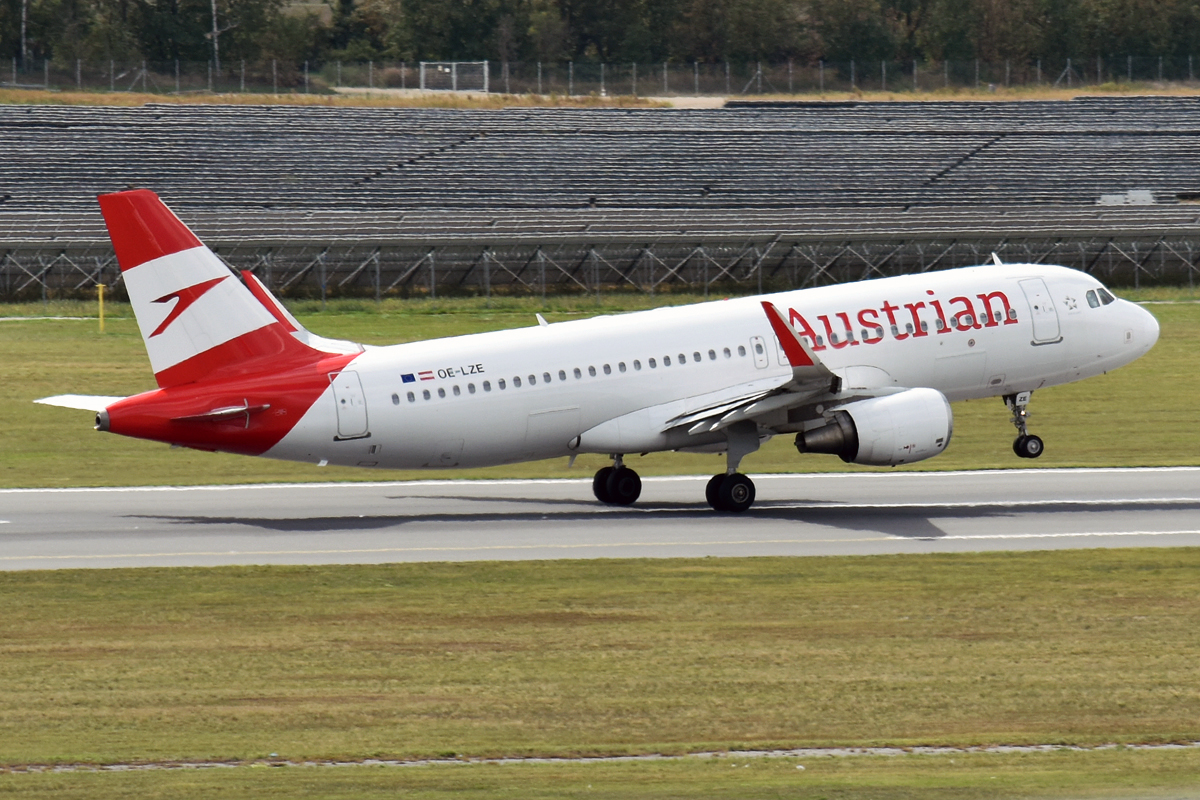
Austrian Airlines Flight OS82 from Tel Aviv to Vienna diverted to Sofia after a bomb threat. A Bulgarian fighter jet escorted the Airbus A320, which carried 51 passengers and six crew members. Searches found no danger, and the airline said the passengers continued to Vienna after clearance.
4. November 3: Crown Iris Sailing Delayed in Greece
The Haifa-bound Crown Iris was held at Syros after a threat claimed explosives had been attached to its underwater hull. The Israeli-operated ship carried 940 passengers and 597 crew. Passengers disembarked while specialists searched the vessel. No explosives were found, and passengers reboarded after authorities cleared the sailing to continue.
5. November 5: KLM Flight Searched in Bucharest
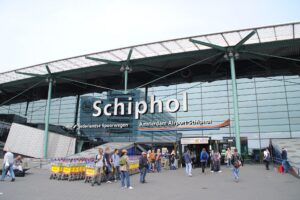
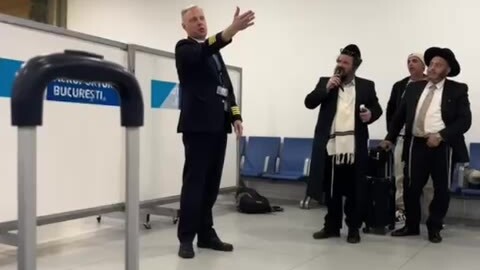
KLM Flight KL461 from Amsterdam to Tel Aviv was affected by a bomb threat during its journey via a planned stop in Bucharest. Passengers disembarked and the aircraft was searched and cleared. The onward flight was later cancelled after a technical problem emerged during taxiing. That cancellation cannot be counted as caused by the bomb threat.
The Business Damage Extends Beyond One Journey
The confirmed outcomes include one delayed Delta departure, one Austrian diversion and one delayed cruise sailing, alongside the Delta arrival evacuation and KLM security interruption. Those five cases are not five threat-caused cancellations.
A delayed aircraft can miss its next scheduled departure, while crews can reach their working-hour limits. Replacement arrangements and security checks add costs. Missed connections can spread disruption to travelers on other routes, and missed bookings can put revenue at risk for hotels and other businesses. Those knock-on journeys are separate from the five directly affected services counted here. The European Union Aviation Safety Agency says the growing number of diversions places additional pressure on the system.
Intimidation Without an Explosion
The November incidents sit within a wider European wave. A Reuters tally reported at least 35 affected flights across Europe from November 2 through November 5, including many with no Israel connection. Ireland’s government has described the wider pattern as a likely coordinated campaign of disruption. That assessment does not establish an organized anti-Israel campaign behind all five cases.
Targeting a flight or sailing with a fabricated bomb warning is intimidation. The threat can impose costs and frighten passengers without an explosive ever being present. The harm to Israeli travelers and the businesses serving them deserves attention, while claims that a particular antisemitic or anti-Zionist group organized these incidents require evidence.
Find kosher dining for your travels on the YeahThatsKosher app.






Add Comment