



























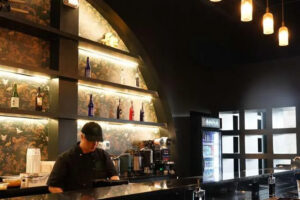

Japan: Shabbos In Tokyo And Kyoto
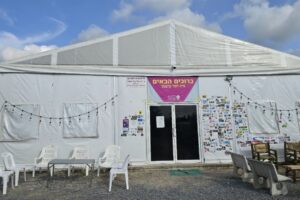
After two weeks of self-catered Shabbosim, we timed our departure from Palau to reach Tokyo on Thursday afternoon, with time to settle in before Shabbos. For our first nights we stayed in Chabad of Tokyo’s Shabbos-friendly apartment rental, a traditional Japanese house on a narrow alleyway about a thirty-second walk from the Chabad House, and took our Shabbos meals at Chabad alongside Jewish travelers from all over the world.
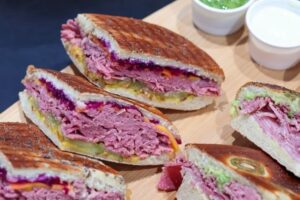
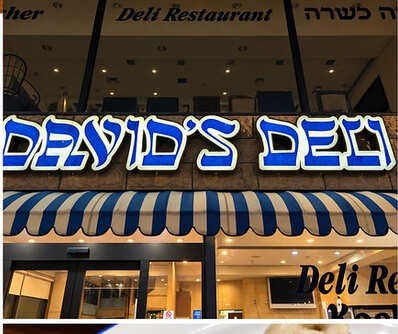
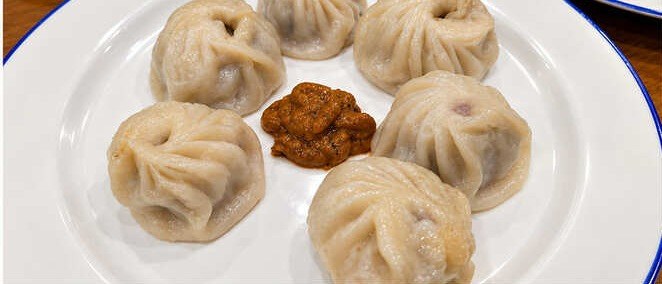
Tokyo also meant real restaurant food for the first time in weeks. David’s Deli, Tokyo’s kosher restaurant a short walk from the Chabad House, is now glatt kosher certified by Japan Kosher Services under Chabad of Tokyo’s Rabbi Mendi Sudakevich, and between its Israeli and Mediterranean menu and its Japanese dishes we ate there repeatedly, including picking up lunch on the way to the airport. There is also a supermarket right near Chabad, where we loaded up on the Japanese peaches we had been looking forward to.
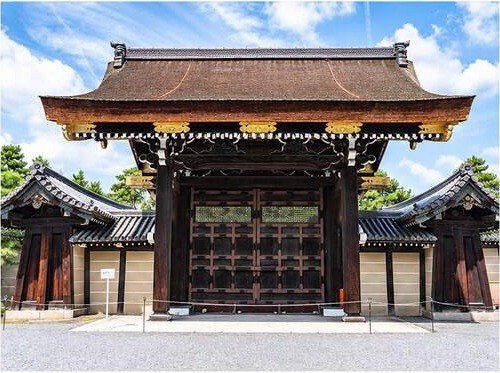
In Kyoto we stayed at the Hotel Okura Kyoto Okazaki Bettei, directly across the street from Chabad of Kyoto, which made Shabbos logistics simple and remains the organized option for Shabbos meals in the city. A supermarket sits directly across the street and a Lawson convenience store a few blocks away. Between Shabbos, we worked through Kyoto’s highlights in the summer heat: the Arashiyama Bamboo Grove, the Imperial Palace, the samurai museum, and a guided night walking tour through the historic streets.
Kosher Info For The Pacific Route
None of these island stops had a Chabad or a kosher restaurant when we planned this trip, so our entire food strategy was self-catering: we traveled with our own supply of meat and cheese, booked accommodations with a kitchen and a full-size refrigerator everywhere we went, and kept Shabbos in our hotel room. Anyone replicating this route should plan their food supply the same way and check the current import rules for each destination before packing perishables. The surprise of the trip is how workable the supermarkets turned out to be: on Guam and in Koror, which import heavily from the mainland U.S., certified products were widely on the shelves, as long as you check each package for its own hechsher. Saipan also had kosher food for sale at Joeten, a Costco-type store importing from the mainland U.S., though finding it was not as easy as on Guam. On Tinian, we relied on the food we brought. We stocked up in Honolulu on the way out, where Chabad of Hawaii is the address we planned around.
Japan is the easy end of the route. In Tokyo, Chabad of Tokyo offers Shabbos meals and a bookable Shabbos-friendly apartment steps from the Chabad House, and David’s Deli covers weekday meals near Shirokane-Takanawa Station. In Kyoto, Chabad of Kyoto hosts Shabbos meals across from the Hotel Okura Kyoto Okazaki Bettei. For cooking your own meals anywhere in Japan, see this traveler’s guide to cooking kosher in Japan.
Beyond the Chabad network, Tokyo is also home to the Jewish Community of Japan (JCJ), the city’s long established Jewish community, chartered in 1953 and located in Hiroo, a 12-minute walk from Hiroo Station. The JCJ serves kosher Friday night dinners and holiday meals by advance reservation from its meat kitchen, supervised by the community’s own rabbi, Rabbi Andrew Scheer, who was ordained at Yeshivat Chovevei Torah, rather than by an outside kosher agency. The congregation itself is egalitarian, with mixed seating. Shabbat dinner reservations are due by Wednesday at 2pm Japan time, with guest pricing of JPY 8,000 per adult and JPY 4,000 per child, and visits are arranged in advance through the JCJ office. Shabbat meal reservations can be made online (3-8-4 Hiroo, Shibuya-ku, Tokyo).
Adapted from the original trip report published at TravelMacher: Journey Across The Pacific. All photos by the author.