
































Chocolate is getting more expensive, and a growing share of it is not really chocolate anymore. Candy prices in the US are up 44% since 2021, and the pressure has pushed the industry toward two very different fixes: cocoa grown in a lab, and chocolate made without any cocoa at all. Both are moving from the lab bench toward store shelves, and both matter for kosher consumers.
The shift is already on the candy shelf. Sometime over the past few years, The Hershey Company removed the words “milk chocolate” from the wrappers of Mr. Goodbar, Almond Joy, and Rolo after replacing the cocoa butter inside with vegetable fats like palm oil. The Mr. Goodbar wrapper changed from “milk chocolate with peanuts” to “chocolate candy with peanuts.” Almond Joy is now marketed as a “coconut and almond chocolate candy bar,” and Rolo is now “rich chocolate candy.” Federal rules reserve the milk chocolate name for products made with cocoa butter. Hershey says the classic Reese’s Peanut Butter Cup has not changed.
The Cocoa Problem
The pressure starts with the crop. Drought followed by flooding in West Africa, which grows most of the world’s cocoa, pushed cocoa futures from a long-held range of $1,000 to $3,500 per ton to a record $12,565 in December 2024. Prices have since settled around $5,000 to $6,000, still roughly double the old norm. Forecasters warn that a strong El Niño could cut output further this season, and cocoa arrivals at Ivory Coast ports are running at roughly half of last year’s pace.
Chocolate Grown in a Lab
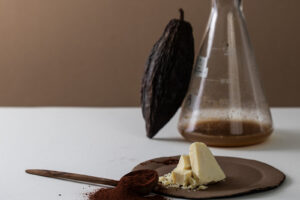
One answer is to grow cocoa without the tree. Startups are culturing real cocoa cells in bioreactors with techniques borrowed from the pharmaceutical industry, and two of the leaders are Israeli. Celleste Bio, backed by Oreo maker Mondelez International, unveiled the first milk chocolate bars made with cell-cultured cocoa butter earlier this year, and says it is on track to produce a ton of cocoa butter a year in a 1,000-liter bioreactor seeded from a single bean. Kokomodo, working with commodities giant Cargill, grows cacao in hundred-liter batches and says its process avoids the pesticides, heavy metals, and deforestation tied to conventional cocoa.
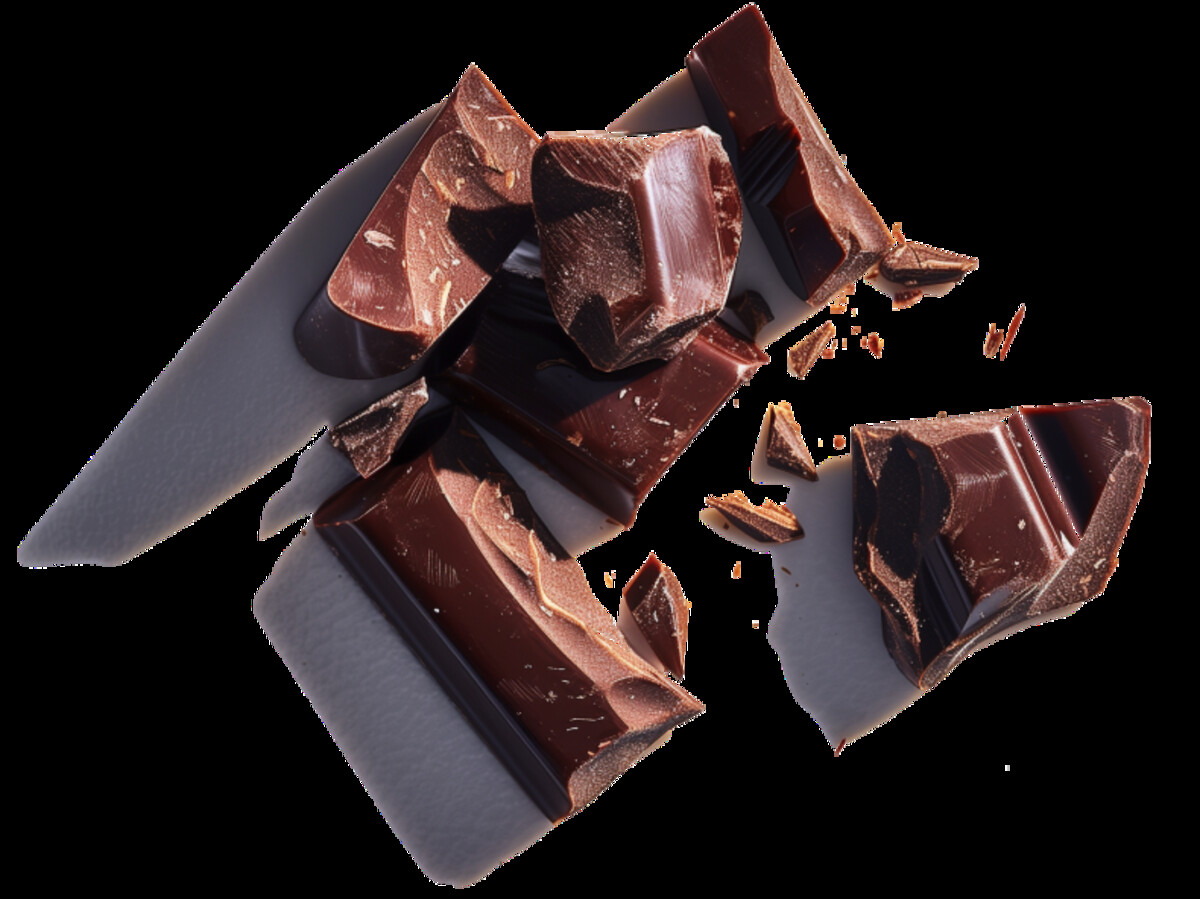
California Cultured is taking a similar approach in the US, with Belgian ingredients group Puratos planning professional chocolate made with its cultured cocoa. None of it is on shelves yet. The process remains expensive, and these ingredients still need regulatory approval in the US and Europe.
Chocolate Without the Bean
The other answer is to skip cocoa entirely. Voyage Foods builds its cocoa-free chocolate from roasted grape seeds left over from winemaking, blended with sunflower flour, oils, and sugar. Its new Ohio factory can produce 10,000 metric tons a year, and Cargill began distributing the line in North America in May under the name NextCoa. Germany’s Planet A Foods ferments and roasts sunflower seeds for its ChoViva brand, already used in more than 230 products across 12 countries.
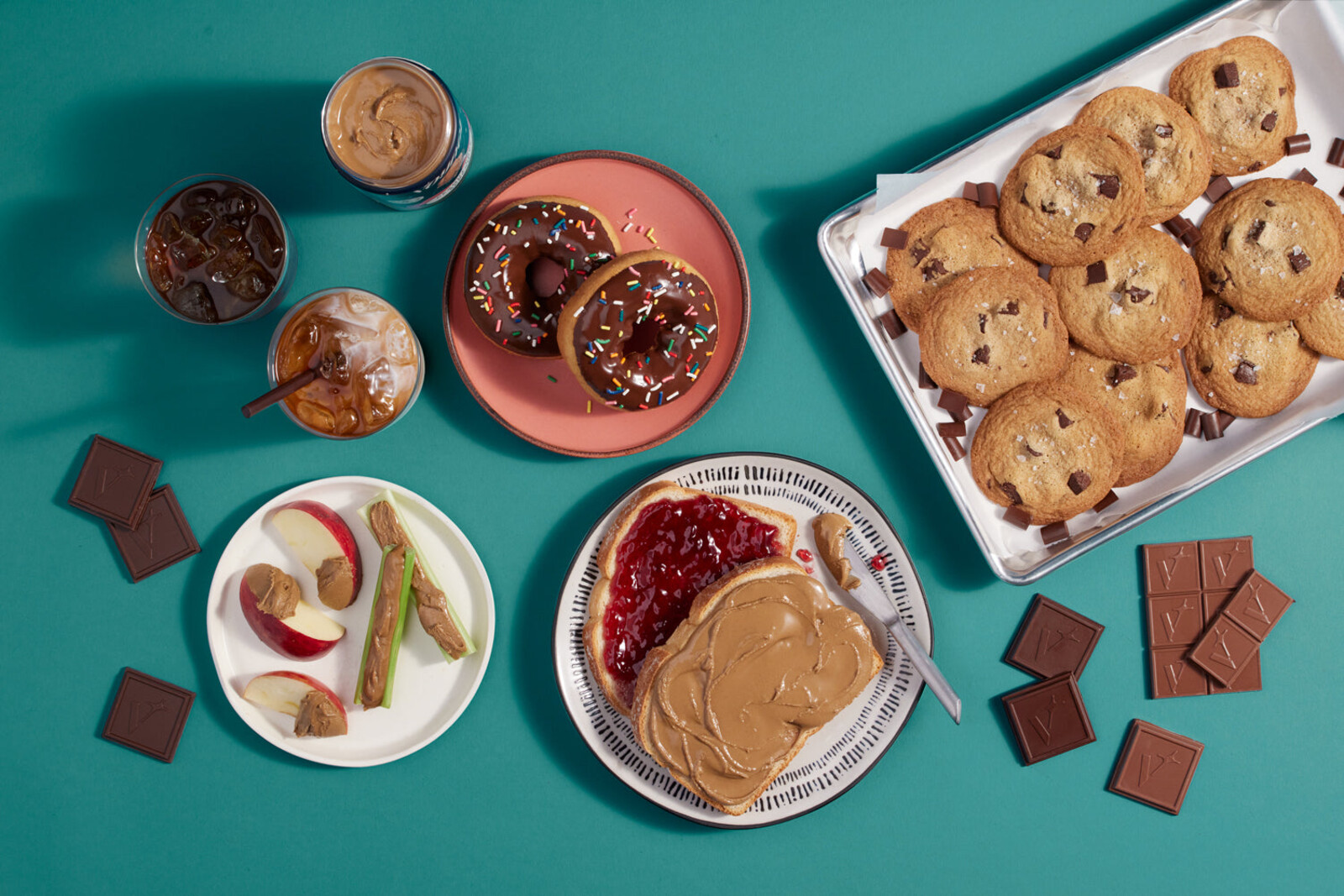
Taste is still the hurdle. Tasting a Voyage Foods bar for a Wall Street Journal video on the trend, reporter Christopher Mims called it “only a passable alternative for a real chocolate bar.” Expect to see more of these products either way as cocoa supplies tighten.
What This Means for Kosher Consumers
An Orthodox Union certification letter for The Hershey Company, dated January 15, 2026 and valid through January 2027, lists Mr. Goodbar, Almond Joy, and Rolo among the Hershey products under OU supervision, all certified dairy. Whether the recipe changes affect that status is ultimately a question for the certifier.
The substitutes could open new ground. Cargill says NextCoa is kosher pareve and made without dairy, soy, peanuts, or tree nuts, though its announcement does not identify the certifying agency. A mainstream pareve chocolate line would be a real shift for the kosher candy aisle.
No kosher certification for cell-cultured cocoa appeared in the companies’ public materials or press coverage reviewed for this article, and the products remain pre-commercial. Kokomodo, for one, is targeting regulatory approval in 2027. The OU certified a cultivated chicken product as kosher in 2023, a sign that kosher agencies are already engaging with cell-cultured foods, though that ruling says nothing about how cocoa will be treated. Any of these products would still need an agency’s approval before they reach kosher shelves.
H/T: @wsj



Add Comment