






































DoorDash announced on Thursday that it has signed a definitive agreement to acquire Instacart in a deal valuing the grocery delivery company at roughly $17 billion, a combination that would put restaurant meals and grocery delivery from hundreds of thousands of stores under one corporate roof. The deal is not done: it still needs antitrust clearance in the United States, approvals in Canada and Israel, and a vote by Instacart’s shareholders, and the companies say they do not expect it to close until the end of 2027 or the first half of 2028. Until then, DoorDash and Instacart continue to operate as separate, independent companies.
That long runway means the merger itself changes nothing for consumers today. But if regulators sign off, the merger would reshape how millions of Americans get their groceries and meals delivered. Here is what consumers stand to gain, and what critics warn they stand to lose.
The Deal at a Glance
| Announced | Thursday, October 29, 2026 |
| Price | $65.00 per Instacart share, an equity value of about $17 billion |
| Premium | 26% above Instacart’s closing price on October 22, the last trading day before sale talks were first reported |
| Payment structure | At least 75% cash, with the rest in DoorDash stock |
| Expected close | End of 2027 or the first half of 2028 |
| Approvals needed | US antitrust review, regulators in Canada and Israel, and an Instacart shareholder vote |
| Instacart today | Nearly 100,000 stores across more than 2,200 retail banners in over 15,000 cities |
| After closing | DoorDash says it plans to keep the Instacart brand, app, and technology products |
How the Two Companies Differ Today
The two apps increasingly overlap, but they are built around different kinds of businesses.
DoorDash is primarily a restaurant delivery service. Most of its orders are meals from local restaurants, and it is the largest restaurant delivery marketplace in the United States. The company has spent years expanding beyond restaurants into groceries, convenience, alcohol, flowers, pet supplies, and other retail categories, but restaurant delivery remains its core business.
Instacart is primarily a grocery and retail delivery service. Instead of restaurant kitchens, its shoppers fill orders inside supermarkets and other brick-and-mortar stores, nearly 100,000 of them across more than 2,200 retail banners. Those partners include Costco, whose Same-Day delivery service runs on Instacart, and non-food retailers such as Best Buy, Sephora, and Petco. Instacart is not exclusively groceries and retail either: its app also offers restaurant delivery, powered by Uber Eats.
The Potential Upside for Consumers
One membership instead of two. DashPass and Instacart+ each cost $9.99 per month at standard rates, so customers who subscribe to both currently pay $19.98 a month. DoorDash says that after the deal closes, members would pay one membership fee instead of two, and the companies estimate that would save customers a combined $100 million per year in membership fees. The price of that combined membership has not been announced.
More stores in one app. Instacart customers could shop at more than 50,000 additional stores, on top of the nearly 100,000 on the platform today, according to the companies. For shoppers whose local options are limited, more stores on a single platform means a better chance of finding specific products, including specialty and kosher items, without juggling multiple apps.
Faster and broader delivery. Pairing DoorDash’s delivery network with Instacart’s grocery and fulfillment technology is aimed at faster delivery options and more savings opportunities, the companies say, with local stores making the actual sale.
A stronger counterweight to Amazon and Walmart. DoorDash argues the combined company will give grocers of every size the delivery network, technology, and advertising tools to compete with the biggest online retailers. If that competition materializes, consumers could benefit from better prices and availability across the industry, not just on one app.
Both apps stick around. DoorDash says it expects to keep Instacart’s brand, enterprise technology products, and app after closing, so Instacart shoppers would not be forced onto a new platform.
The Potential Downsides
Less competition could mean higher fees over time. The American Economic Liberties Project, an anti-monopoly advocacy group calling on the FTC to block the deal, estimates Instacart controls about 58% of the US third-party grocery delivery market, while DoorDash already handles roughly two-thirds of US restaurant delivery. New York City Mayor Zohran Mamdani warned the deal could raise consumer prices, writing that “corporate consolidation means higher prices, harsher exploitation, and greater economic inequality for New Yorkers.” Jay Aldebert, chief growth officer at International Services Inc., told Newsweek that customers might get an attractive membership offer up front, but “what happens to delivery fees, service charges and grocery prices six months or a year later? That’s the real test.” Taking a major competitor out of the market reduces the pressure to compete on price, service, and value, he said.
Both companies’ pricing practices were already under a microscope. A Consumer Reports and Groundwork Collaborative investigation published in December 2025 found that Instacart ran AI-enabled pricing experiments that charged different customers different prices for identical items from the same store, as much as 23% apart, a swing the investigators estimated could cost a household of four about $1,200 per year. Instacart said it ended the price tests after the investigation. One day before the acquisition was announced, the FTC ordered DoorDash, Instacart, and seven other companies, including Delta, United, JetBlue, Lyft, Uber, Target, and Walmart, to hand over information on whether they use customers’ personal data to set prices and worker pay. Separately, Instacart agreed last December to pay $60 million in consumer refunds to settle FTC allegations that it deceptively advertised “free delivery” while charging mandatory service fees, and in September DoorDash reached a $131.5 million settlement with New York City over allegations it underpaid delivery workers.
The membership math is not written yet. The companies have not disclosed what the combined membership would cost. And memberships do not eliminate every charge: service fees can still apply even for members, grocers can mark up item prices above in-store shelf prices, and minimum order sizes for membership benefits differ between the two platforms today. Consumer advocates caution against assuming the companies’ projected savings will be passed along. “The question isn’t whether DoorDash can save money,” Aldebert said. “It’s whether DoorDash will share those savings.”
What Happens Next
The acquisition faces a lengthy review. MLex reports the deal is likely to draw in-depth investigations from US federal and state antitrust regulators, and the Hart-Scott-Rodino waiting period must expire or be terminated before closing. Regulators in Canada, where an anti-monopoly group has already urged the Competition Bureau to block the takeover, and in Israel also need to sign off. Instacart shareholders still have to approve the sale, though investors holding about 19% of outstanding shares have already agreed to vote in favor. Regulators could clear the deal, clear it with conditions, or move to block it entirely, and any of those outcomes would shape what actually reaches consumers.
There is also history here: DoorDash previously pursued Instacart in 2021 at a significantly higher valuation, and those talks collapsed over price and antitrust concerns. This time, both companies have signed a definitive agreement, and Instacart’s board unanimously approved it.
The Bottom Line for Consumers
Who gains, and who should watch carefully, depends on how you use these apps today.
If you pay for both DashPass and Instacart+: you are the clearest potential winner. The companies have committed to replacing two $9.99 memberships with one after closing. If the combined fee ends up matching a single current $9.99 subscription, that would save close to $120 a year – but the combined price is unannounced, so the actual savings are unknown, and the commitment only exists if the deal closes.
If you use only one service, or none: there is no two-subscription saving for you to combine. Your upside is selection, with tens of thousands more stores potentially shoppable through Instacart, and possibly faster delivery. Your risk is on the other side of the ledger: with one fewer major competitor, critics warn there is less pressure holding down delivery fees, service charges, and item markups over time.
For everyone: the merger itself does not change either service today. The companies do not expect to close before the end of 2027, they remain independent until they do, and either company can still change its own prices or terms in the meantime. The deal could also be delayed, conditioned, or blocked, and any savings are projections from the companies that benefit from the merger, not guarantees.
What This Could Mean for Kosher Shoppers
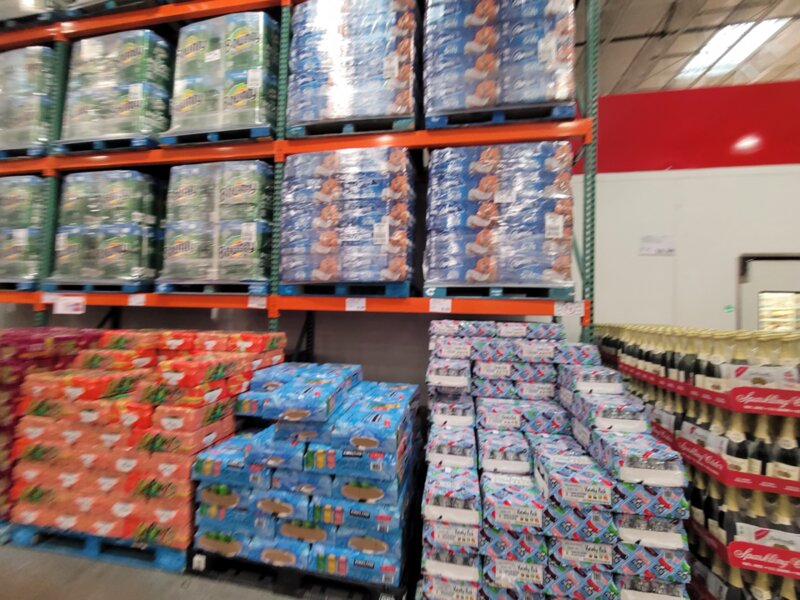
Kosher grocery selection varies widely by neighborhood, and for shoppers whose local stores carry a limited range, grocery delivery apps can be one of the few ways to reach a wider kosher selection. Costco Same-Day, which runs on Instacart, is one example many kosher households already use. If the deal adds tens of thousands of stores to a single platform, finding kosher products through one app could get easier. The flip side applies too: households that depend on these apps for kosher groceries would have the most to lose if consolidation eventually pushes delivery fees, service charges, or item markups higher.